The Future of Conferences & Expos

The Future of Conferences & Expos: Hybrid, AI & Digital Transformation Trends (2026 and Beyond)
The conference and expo industry is undergoing one of the most significant transformations in its history. What was once driven by physical gatherings and traditional formats is now evolving into a technology-powered, data-driven, and experience-focused ecosystem.
In 2026, the future of events is being shaped by three powerful forces:
👉 Hybrid formats
👉 Artificial Intelligence (AI)
👉 Digital transformation
This blog explores these trends in depth—and how event organizers can adapt to stay ahead.
1.Hybrid Events Are No Longer Optional—They’re Strategic
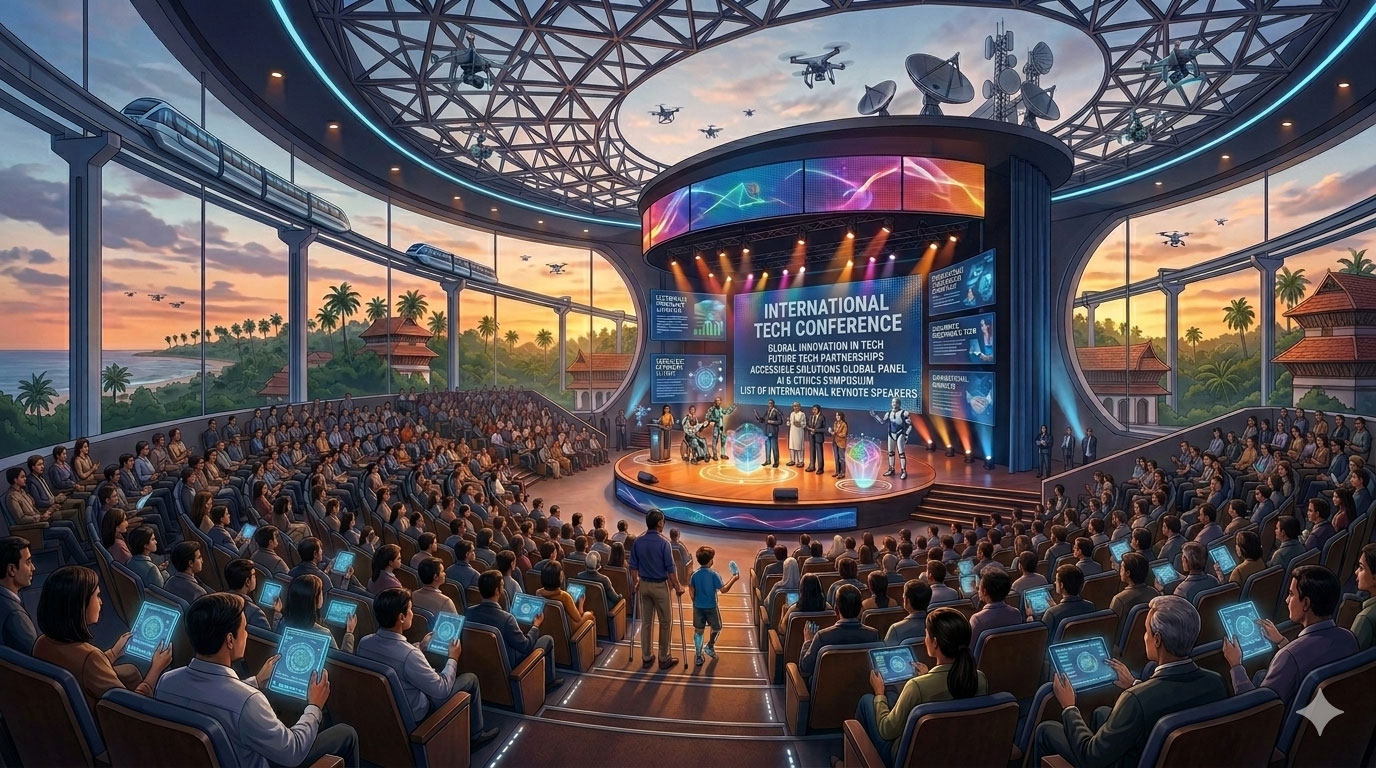
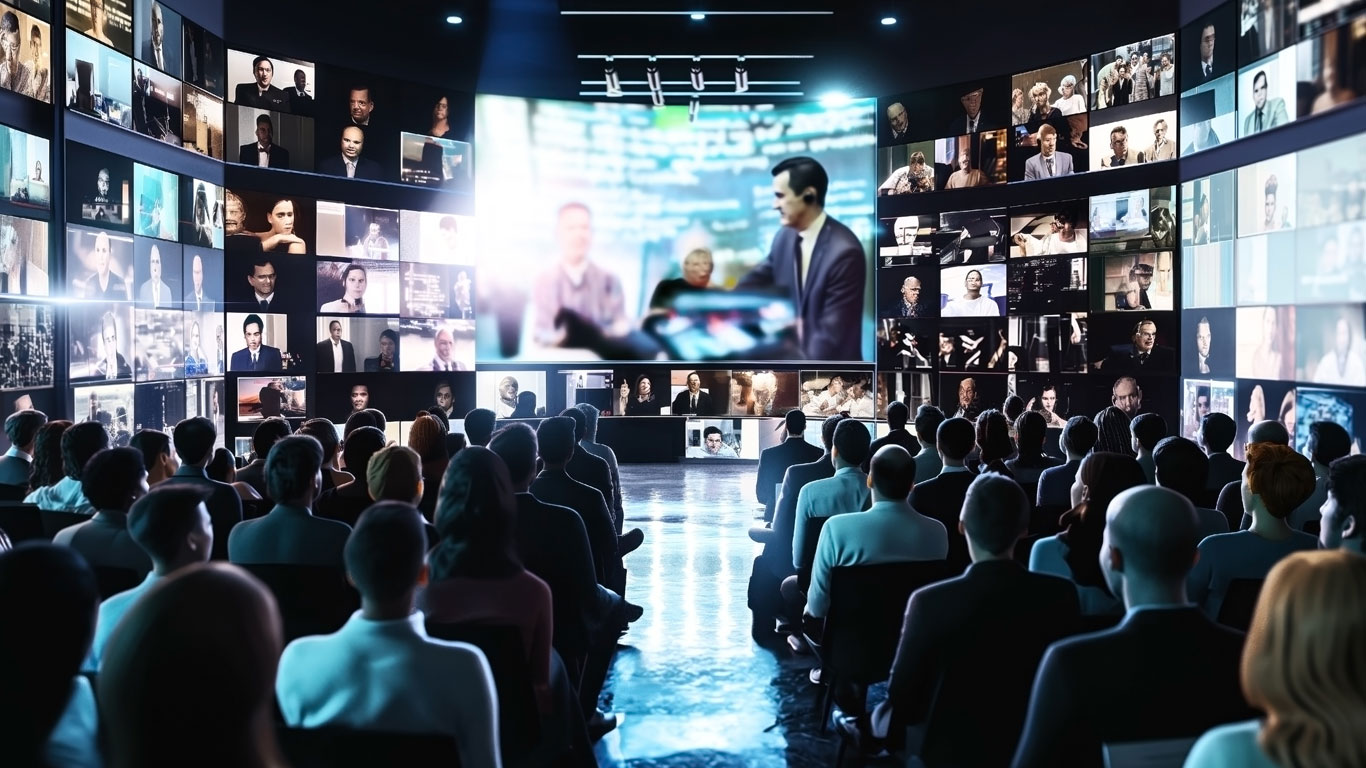
Hybrid events (a mix of physical + virtual participation) have moved from being a pandemic necessity to a core strategic model.
Why Hybrid is Here to Stay
- Expands audience reach beyond geography
- Reduces travel barriers
- Increases event lifespan (recorded content)
- Enhances inclusivity
In 2026, hybrid events are used intentionally, not by default—especially when they add clear value such as extending reach or improving accessibility
What’s Changing in Hybrid
- Seamless integration of physical and virtual audiences
- High-quality live streaming
- Real-time interaction tools
- Multi-platform compatibility
👉 The future is not “offline vs online”—it’s “phygital” (physical + digital).
2.Artificial Intelligence Is Becoming the Event Co-Pilot
AI is no longer experimental—it is now embedded into the core of event planning and execution.
What AI Is Doing Today
- Automating registrations and workflows
- Recommending sessions to attendees
- Matching attendees for networking
- Generating marketing content
AI is becoming a standard component of event platforms, acting as a strategic co-pilot for organizers and participants
Real Impact
- 66% of event professionals say AI helps them focus on higher-value work
- AI-driven tools significantly boost engagement and efficiency
Advanced AI Capabilities Emerging
- Real-time translation and transcription
- Predictive analytics (attendance, engagement)
- AI chatbots for attendee support
- Automated content summaries
👉 AI is shifting events from manual execution → intelligent orchestration.
3.Hyper-Personalization Will Define Attendee Experience
Modern attendees expect experiences tailored specifically to them.
Powered by AI & Data:
- Personalized agendas
- Smart matchmaking (networking)
- Customized content recommendations
AI acts as an “event concierge,” guiding attendees through highly personalized journeys
Why This Matters
- Higher engagement
- Better satisfaction
- Stronger ROI for sponsors
👉 One-size-fits-all events are disappearing.
4.Data-Driven Events Will Replace Guesswork
Data is becoming the backbone of successful conferences and expos.
What Organizers Can Track:
- Registration behavior
- Session engagement
- Networking activity
- Lead generation
Benefits:
- Better decision-making
- Improved sponsor reporting
- Continuous optimization
Modern event platforms use predictive analytics and real-time insights to improve planning and outcomes
👉 The future belongs to organizers who measure everything.
5.Networking Is Becoming the Core Value of Events
Content is still important—but networking is now the primary reason people attend events.
New Networking Formats:
- AI-powered matchmaking
- Curated roundtables
- Speed networking sessions
- Private meeting setups
In fact, industry insights show that attendees increasingly prioritize connection over content
👉 Events are evolving into relationship-building platforms, not just knowledge-sharing platforms.
6.Event Apps & Digital Platforms Are Essential
Every successful event in 2026 has a strong digital layer.
Must-Have Digital Tools:
- Event mobile apps
- Digital ticketing
- QR-based entry
- Live polling & engagement tools
These technologies enhance both:
- Attendee experience
- Operational efficiency
👉 A conference without digital tools now feels outdated.
7.Automation Is Transforming Event Operations
AI and digital tools are automating repetitive tasks:
Examples:
- Email campaigns
- Attendee segmentation
- Lead capture
- Feedback collection
Event teams are using AI to automate workflows and improve efficiency, reducing manual effort significantly
👉 This allows organizers to focus on strategy and experience design.
8.Immersive & Experiential Events Are Rising
Events are becoming more interactive and experiential.
Emerging Technologies:
- AR/VR experiences
- LED immersive stages
- Interactive booths
- Multi-sensory environments
Hybrid, immersive, and experiential formats are key trends shaping 2026 events
👉 Attendees don’t just want to attend—they want to experience.
9.Sustainability Is Becoming a Core Expectation
Sustainability is no longer optional—it’s a requirement.
Key Practices:
- Paperless events
- Eco-friendly materials
- Reduced travel via hybrid formats
- Waste management systems
Sustainability is now tied to credibility and compliance, not just branding
👉 Green events will gain more trust and sponsorship.
10.Events Are Becoming Year-Round Communities
The future of events is not limited to 1–2 days.
Evolution:
- Pre-event engagement
- Live event experience
- Post-event communities
Events are increasingly designed as long-term relationship engines, not one-time gatherings
Tools Used:
- LinkedIn groups
- WhatsApp communities
- Content platforms
👉 The real value of events now lies in continuous engagement.
11.Flexibility & Agility Are Critical
Modern events must adapt quickly to:
- Budget changes
- Audience behavior
- Market conditions
Key Shift:
- Modular event formats
- Flexible pricing
- Hybrid-ready infrastructure
In 2026, hyper-flexibility is a necessity, not an advantage
11.The Role of Event Organizers Is Evolving
Event organizers are no longer just planners.
They Are Now:
- Experience designers
- Data analysts
- Technology integrators
- Community builders
Event professionals must adapt to AI tools, hybrid formats, and data-driven decision-making to remain competitive
🚀 Final Insight: The Future Is Tech-Enabled, Human-Centric
Despite all the technology, one thing remains constant:
👉 Human connection is the core of events
Technology enhances:
- Reach
- Efficiency
- Personalization
But the ultimate goal remains:
- Building relationships
- Sharing knowledge
- Creating impact
Conclusion
The future of conferences and expos in 2026 is defined by:
- Hybrid accessibility
- AI-driven intelligence
- Data-powered decisions
- Experience-led design
- Continuous engagement
Organizers who embrace these trends will:
- Attract larger audiences
- Deliver better experiences
- Secure stronger sponsorships
- Build long-term event brands
Final Thought
The biggest risk today is not adopting these trends—it’s ignoring them.
Events are no longer just gatherings.
They are platforms, ecosystems, and growth engines.